Founders through the ages

Twenty builders. Twenty-three centuries.

Every founder, engineer, and leader the podcast has studied, arranged across five levels of history.

Scroll to travel through time

Five levels of history

From the lever to the learning company.

IIIIIIIVV
Antiquity · c. 287 to 212 BCArchimedesThe lever, the screw, the siege engines
01 / 20

The levels of history

The same handful of ideas, rebuilt in every era.

Leverage shows up in Archimedes and in AngelList. Facing reality shows up in Marcus Aurelius and in Andy Grove. Read the atlas top to bottom and the builders start answering each other across twenty-three centuries.

I4 builders

Antiquity

3rd century BC to 2nd century AD

Engineers, philosophers, and emperors who wrote the first frameworks for leverage, character, and control.

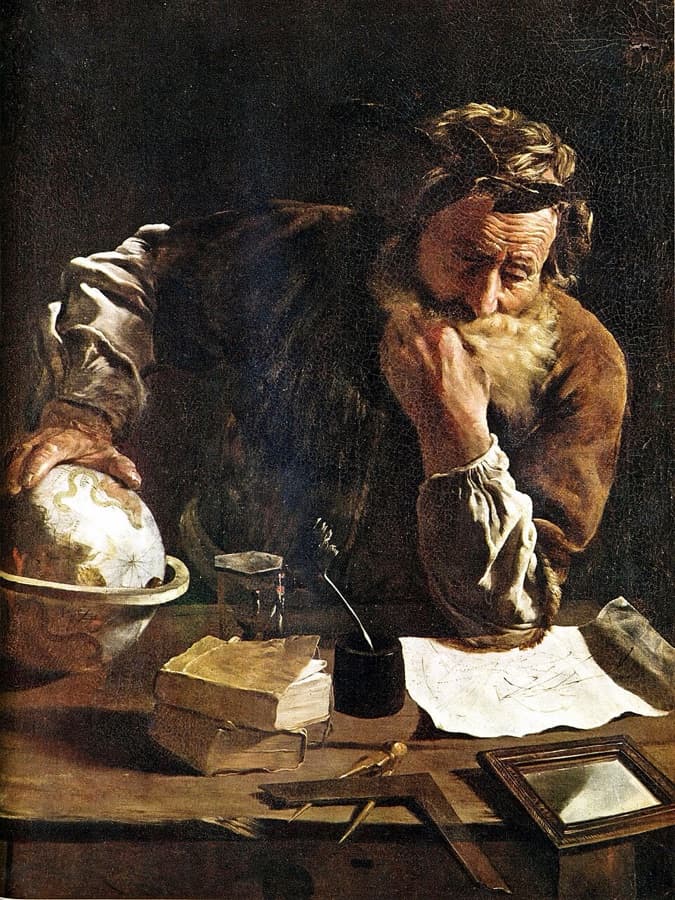
Archimedes
I
Archimedes
c. 287 to 212 BC
Wealthc. 287 to 212 BC

Archimedes

Engineer and mathematician of Syracuse

The lever, the screw, the siege engines

“Find the lever and a place to stand, and impossible problems become manageable.”

His real legacy is bigger than the bathtub. He treated leverage and first principles as tools, and showed that progress rarely comes from pushing harder.
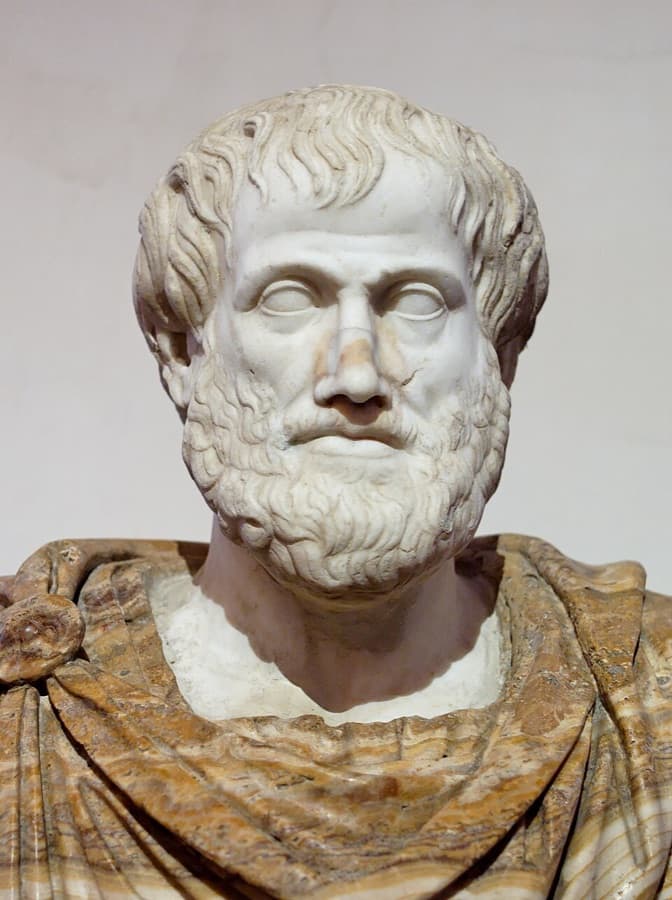
Aristotle
I
Aristotle
384 to 322 BC
Wisdom384 to 322 BC

Aristotle

Philosopher, founder of the Lyceum

The Lyceum, 335 BC

“You are what you repeatedly do. Character is built, not declared.”

Unlike thinkers chasing abstract ideals, Aristotle studied how people actually live, and how they might live well, one habit at a time.

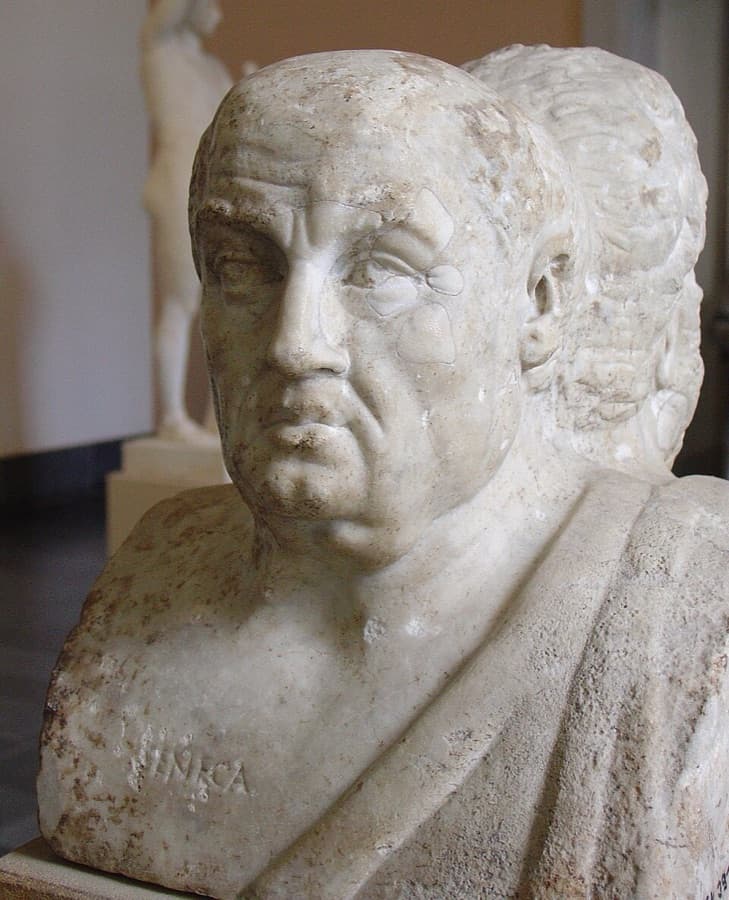
Seneca
I
Seneca
c. 4 BC to 65 AD
Wisdomc. 4 BC to 65 AD

Seneca

Statesman, playwright, one of Rome's richest men

Rome's early Neronian government, 1st century

“Life is not too short. We waste too much of it.”

Surrounded by wealth, politics, and danger, he kept returning to one question: are we actually living, or just staying busy?

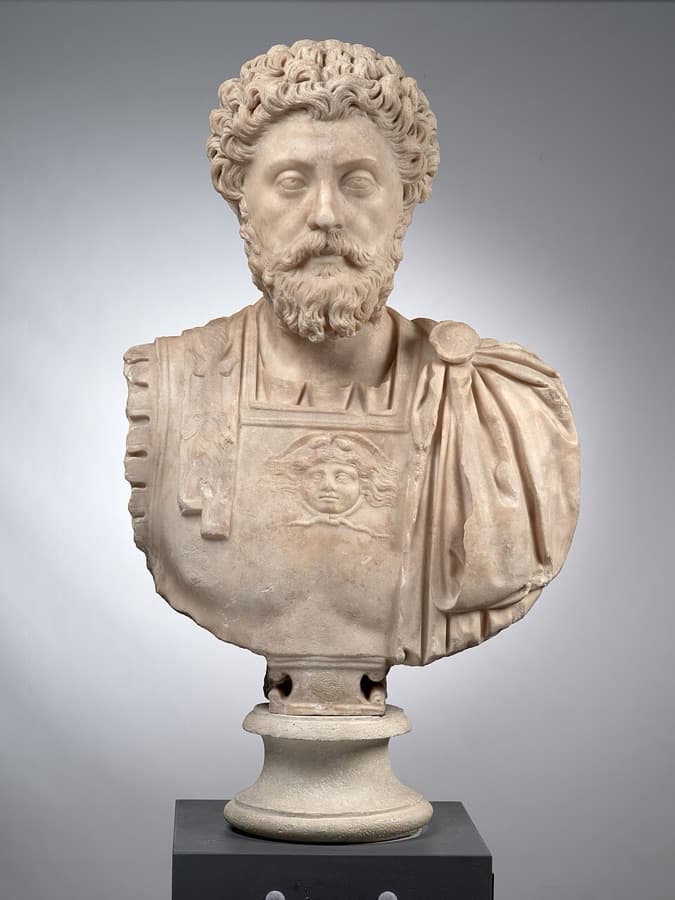
Marcus Aurelius
I
Marcus Aurelius
121 to 180
Wisdom121 to 180

Marcus Aurelius

Emperor of Rome

Twenty years of a besieged empire, 161 to 180

“Control is mostly an illusion. Command what is yours and let the rest go.”

Meditations was a private journal written at the height of power, by a man trying not to become weak, distracted, or arrogant.

II1 builder

The Renaissance

1500s

A Florentine secretary writes down how power actually works, and the modern study of strategy begins.

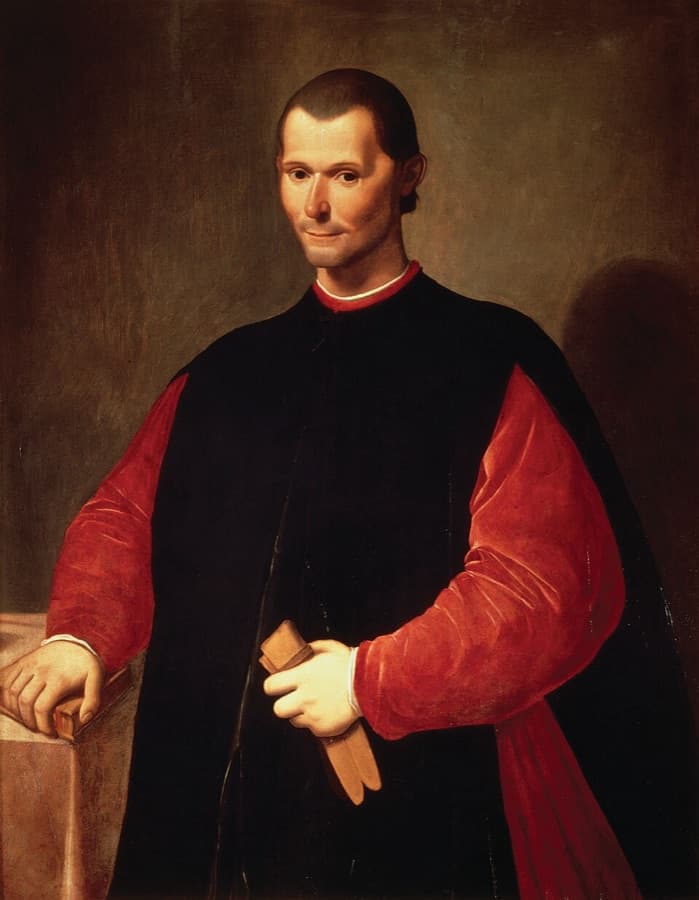
Niccolò Machiavelli
II
Niccolò Machiavelli
1469 to 1527
Wisdom1469 to 1527

Niccolò Machiavelli

Florentine secretary and political theorist

The Prince, 1513

“See how power actually works, without illusions.”

Was he teaching rulers to be cruel, or exposing uncomfortable truths? Realism, reputation, and the gap between moral image and moral action.

III7 builders

The industrial century

1940s to 1960s

Information theory, transistors, running shoes, and a psychiatry of meaning. The builders who wired the modern world.

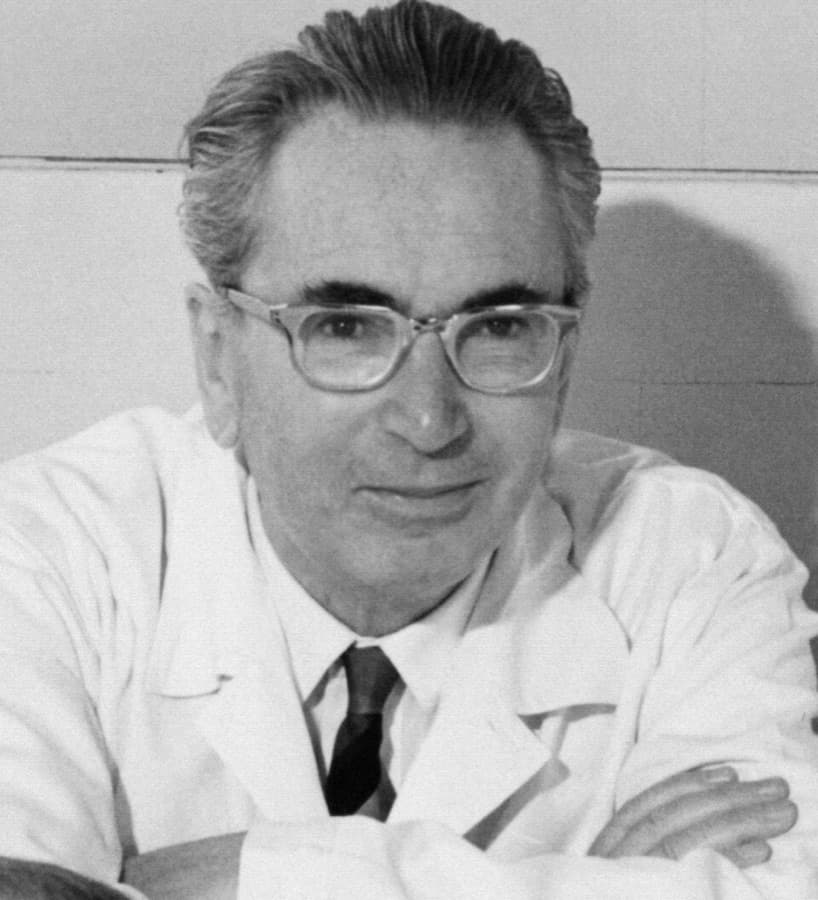
Viktor Frankl
III
Viktor Frankl
1905 to 1997
Health1905 to 1997

Viktor Frankl

Psychiatrist, founder of logotherapy

Logotherapy, 1940s

“Meaning is not a feeling. It is a responsibility you answer.”

Happiness cannot be pursued directly. Pressure reveals purpose, and life keeps asking something of you.

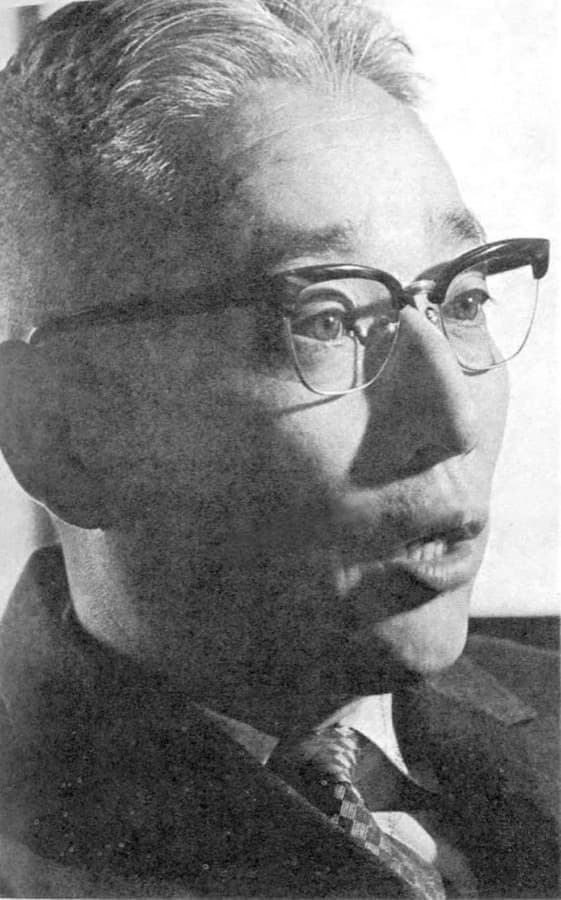
Akio Morita
III
Akio Morita
1921 to 1999
Wealth1921 to 1999

Akio Morita

Co-founder, Sony

Sony, 1946

“People do not know what they want until someone shows them.”

The Walkman seemed unnecessary, then became impossible to live without. The best products sometimes create demand instead of answering it.

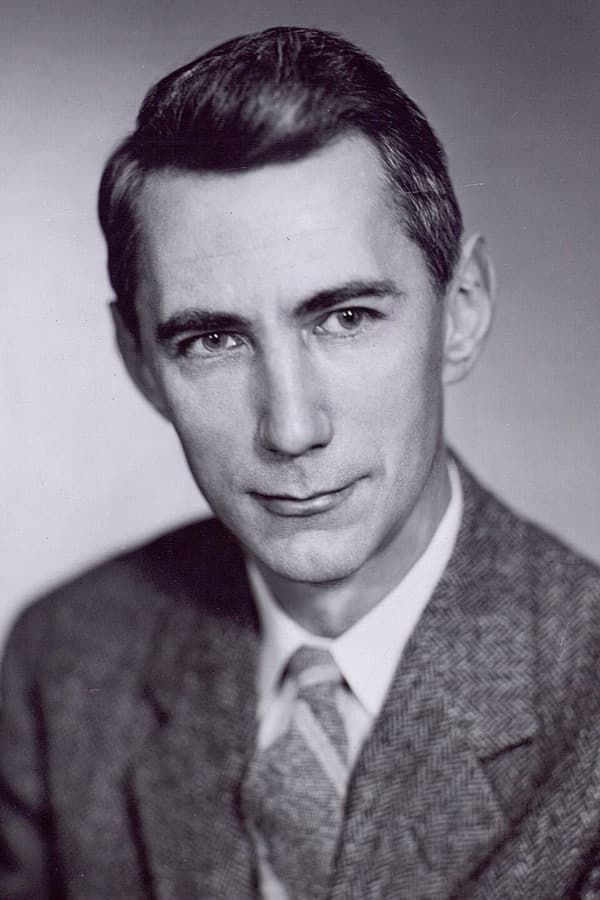
Claude Shannon
III
Claude Shannon
1916 to 2001
Wisdom1916 to 2001

Claude Shannon

Mathematician, founder of information theory

Information theory, 1948

“Cut the noise. Find the part that actually carries the signal.”

He built the foundation of the digital world by asking what information is, and turned communication into math.

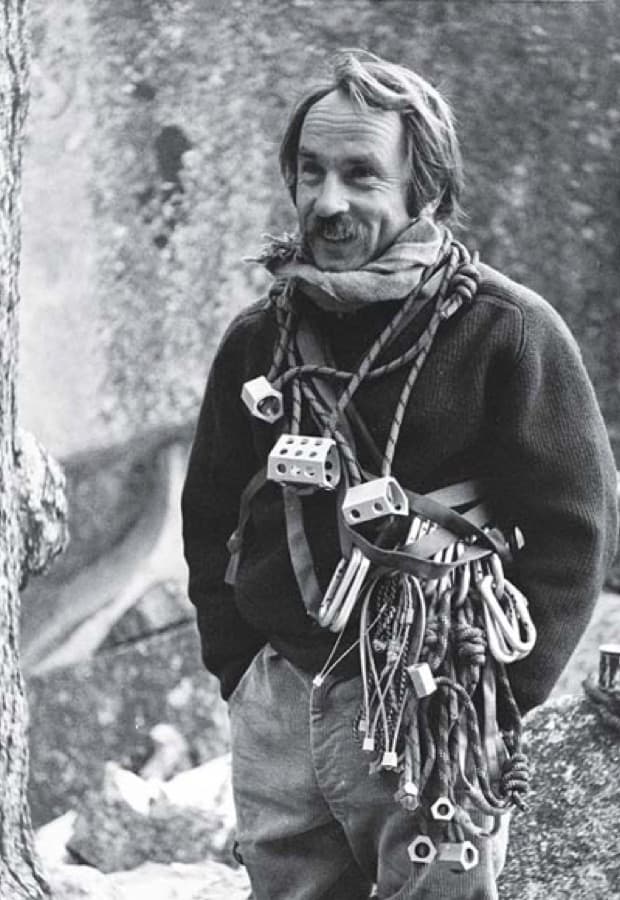
Yvon Chouinard
III
Yvon Chouinard
b. 1938
Wisdomb. 1938

Yvon Chouinard

Founder, Patagonia

Chouinard Equipment, 1957. Patagonia, 1973

“Know what enough is, and build without becoming what you set out to avoid.”

He walked away from his most profitable product because it damaged the rock he loved, then gave the company away to the planet.

III
J
John Boyd
1927 to 1997
Wisdom1927 to 1997

John Boyd

Fighter pilot and strategist, creator of the OODA loop

The OODA loop and the lightweight fighter, 1960s to 70s

“Speed is not adaptation. Reorient before your map of reality expires.”

Conflict is a contest over perception and time. The winners are the ones able to let go of an outdated understanding first.

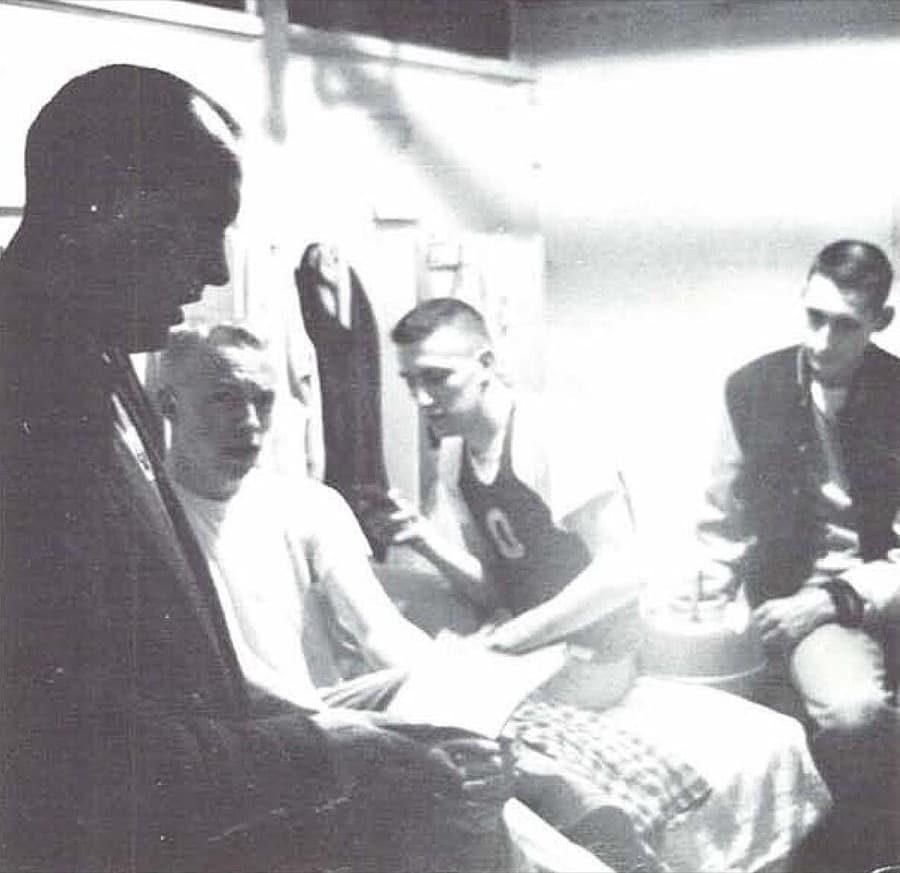
Phil Knight with his coach and co-founder Bill Bowerman
III
Phil Knight
b. 1938
Wealthb. 1938

Phil Knight

Co-founder, Nike

Blue Ribbon Sports, 1964. Nike, 1971

“Obsession comes before permission. Keep building before the world believes.”

Shoe Dog is not a polished success story. It is debt, near collapse, and the quiet persistence behind a brand.

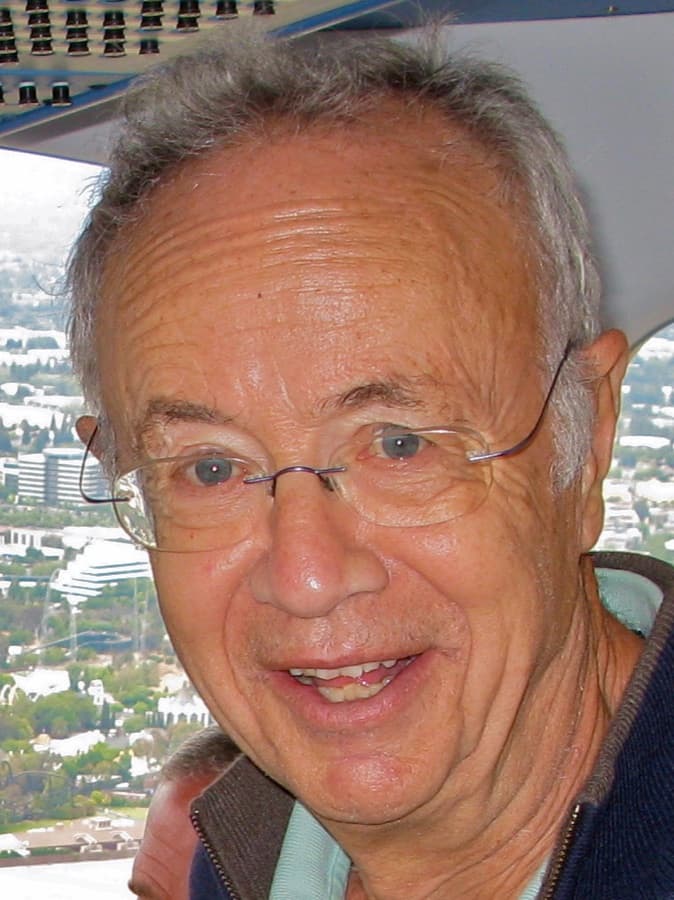
Andy Grove
III
Andy Grove
1936 to 2016
Wealth1936 to 2016

Andy Grove

Co-founder and CEO, Intel

Intel, 1968

“Only the paranoid survive. Notice the world changing before it is obvious.”

The decision that reshaped Intel was about recognizing a strategic inflection point early, then facing reality without flinching.

IV6 builders

The brand era

1970s to 1990s

Founders who turned taste, culture, and long-term thinking into companies that outlived their first product.

Lynn Conway
IV
Lynn Conway
1938 to 2024
Wealth1938 to 2024

Lynn Conway

Computer scientist, co-creator of the VLSI revolution

The Mead–Conway VLSI method, 1978

“Build the path, and people who seemed incapable become capable.”

Fired by IBM and forced to start over, she took chip design out of the hands of a few specialists and opened it to thousands.

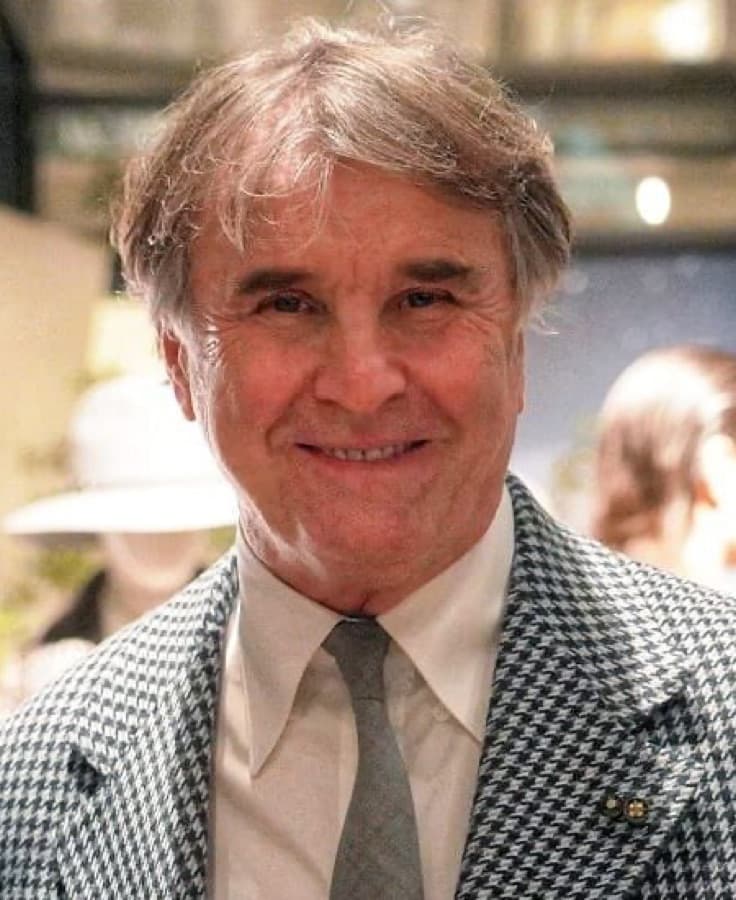
Brunello Cucinelli
IV
Brunello Cucinelli
b. 1953
Wealthb. 1953

Brunello Cucinelli

Founder, Brunello Cucinelli

Brunello Cucinelli, Solomeo, 1978

“A business should leave room for dignity, beauty, and a life outside of work.”

Humanistic capitalism: skeptical of growth for its own sake, and unwilling to squeeze every hour out of the people inside the company.

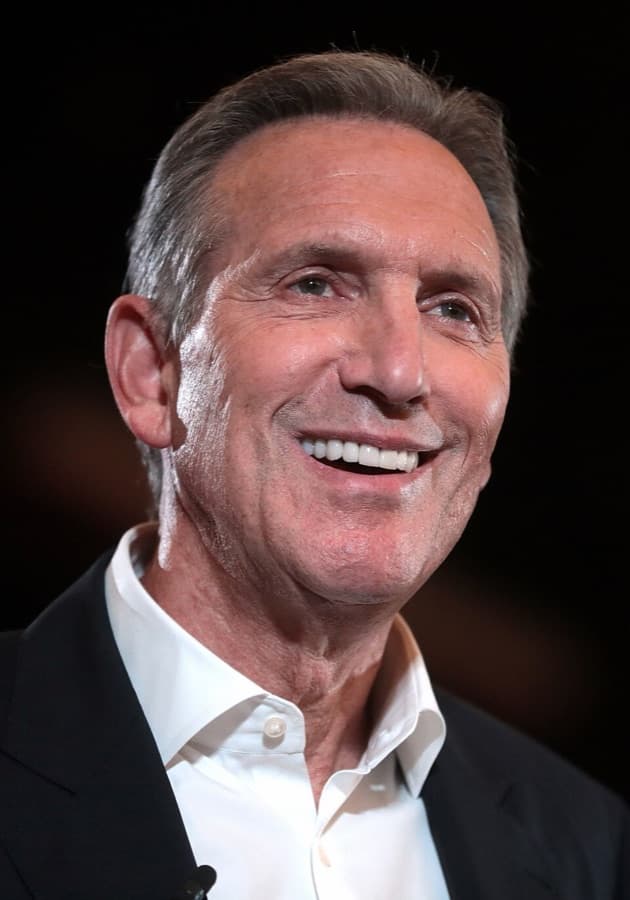
Howard Schultz
IV
Howard Schultz
b. 1953
Wealthb. 1953

Howard Schultz

Builder of Starbucks

Il Giornale, 1986. Starbucks, 1987

“Growth can quietly weaken the thing people cared about. Protect the third place.”

After years of rapid growth he felt the company losing what made it special, and came back to rethink it.

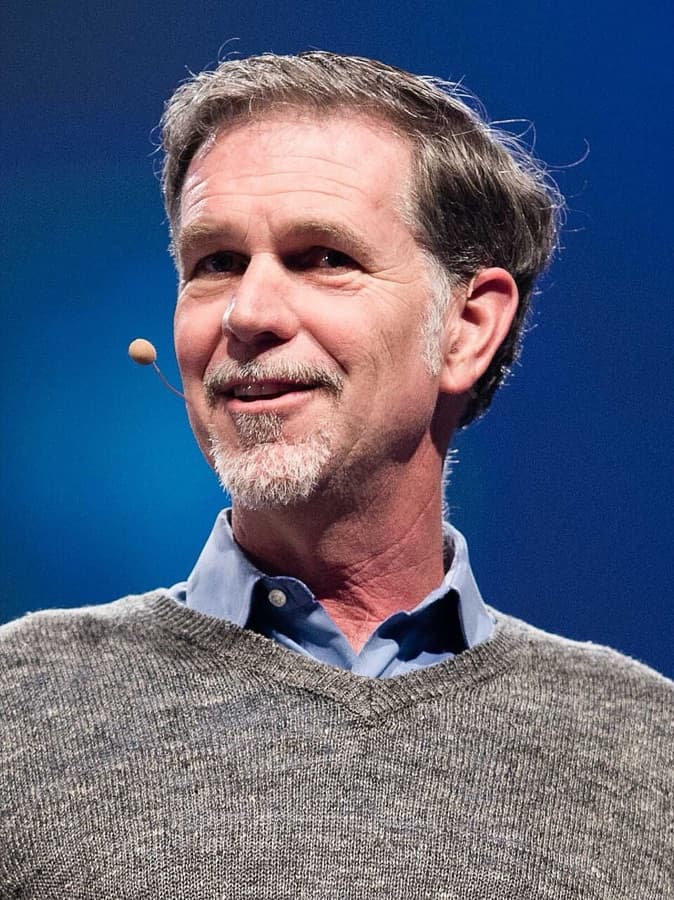
Reed Hastings
IV
Reed Hastings
b. 1960
Wealthb. 1960

Reed Hastings

Co-founder, Netflix

Netflix, 1997

“Let go of what is working before it stops working.”

DVDs by mail, then streaming, then originals. A culture of freedom, responsibility, and candor that kept changing before it had to.

V2 builders

The digital age

2000s to now

Leverage without permission, and the leaders rebuilding giants around learning instead of knowing.

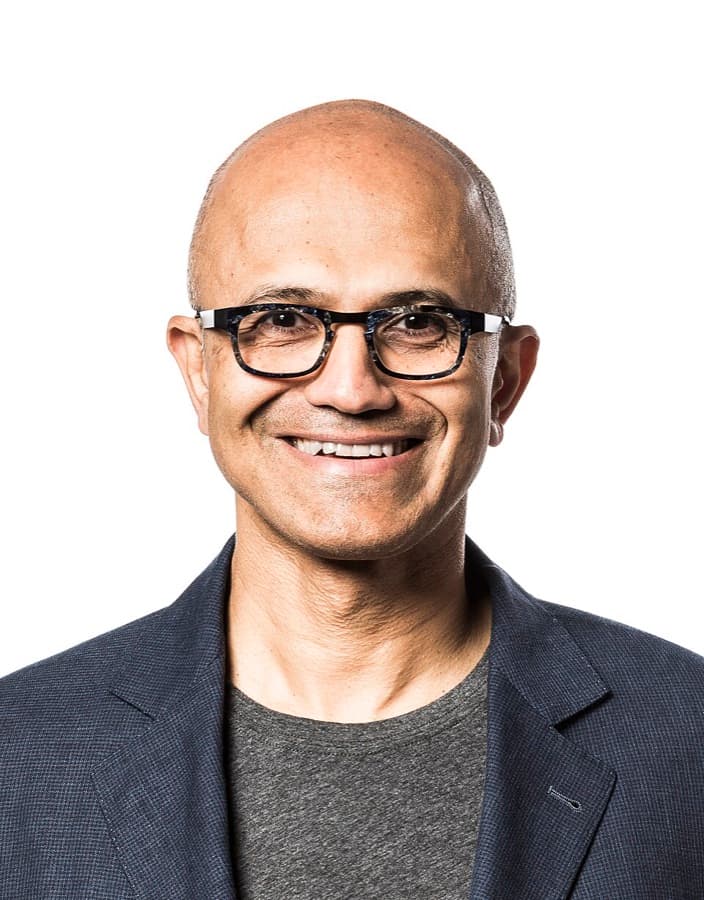
Satya Nadella
V
Satya Nadella
b. 1967
Wealthb. 1967

Satya Nadella

CEO, Microsoft

Microsoft's second act, 2014

“Be a learn-it-all, not a know-it-all. A company can be rebuilt around curiosity.”

Microsoft was huge but no longer leading. He changed the culture, pushed toward cloud and AI, and led with empathy.

Keep travelling

Studied at a distance. Then met in the room.

The founders atlas is built from books, letters, and talks. The interview series sits across from people building things right now.

Archimedes
I
Archimedes
c. 287 to 212 BC
Aristotle
I
Aristotle
384 to 322 BC
Seneca
I
Seneca
c. 4 BC to 65 AD
Marcus Aurelius
I
Marcus Aurelius
121 to 180
Niccolò Machiavelli
II
Niccolò Machiavelli
1469 to 1527
Viktor Frankl
III
Viktor Frankl
1905 to 1997
Akio Morita
III
Akio Morita
1921 to 1999
Claude Shannon
III
Claude Shannon
1916 to 2001
Yvon Chouinard
III
Yvon Chouinard
b. 1938
III
J
John Boyd
1927 to 1997